
Tag: Hardware

Google’s New Foldable, Smartwatch Emphasize AI Rather Than Hardware Changes

A Strategic Shift Toward AI Innovation Over Hardware Design

In the fast-evolving world of consumer technology, 2025 is shaping up to be the year when artificial intelligence takes center stage. Leading the charge is Google, which recently unveiled its next-generation foldable smartphone and smartwatch. Unlike past product cycles, where new devices were defined by radical hardware redesigns, this year’s upgrades highlight a different story: AI is now the main attraction.

A Subtle but Strategic Shift

Google’s latest announcements showcase a deliberate move away from flashy physical upgrades and toward seamless AI integration. The new foldable smartphone — the Pixel Fold 2 — and the upgraded Pixel Watch 3 offer refined hardware, but the biggest changes are in the intelligence built into these devices.

Rather than relying on dramatic design overhauls, Google has fine-tuned its AI systems to power smarter experiences. This approach aligns perfectly with the company’s broader vision of building devices that learn, adapt, and assist users in more personalized ways.

AI Takes the Spotlight

The real star of the show is Google’s advanced AI ecosystem, powered by Google Gemini. Users can now experience features that go far beyond simple voice commands:

  • On-device generative AI: Tasks like summarizing lengthy emails, drafting messages, or translating documents happen directly on the device without cloud processing.
  • Proactive assistance: Instead of users having to ask, the phone anticipates needs — offering suggestions, calendar reminders, or contextual insights based on habits.
  • Visual understanding: Using AI-powered camera intelligence, the foldable can identify and describe scenes, scan documents with precision, and translate text in real time.

These capabilities make the phone and smartwatch feel less like tools and more like intelligent companions.

Pixel Fold 2: Smarter, Not Just Sleeker

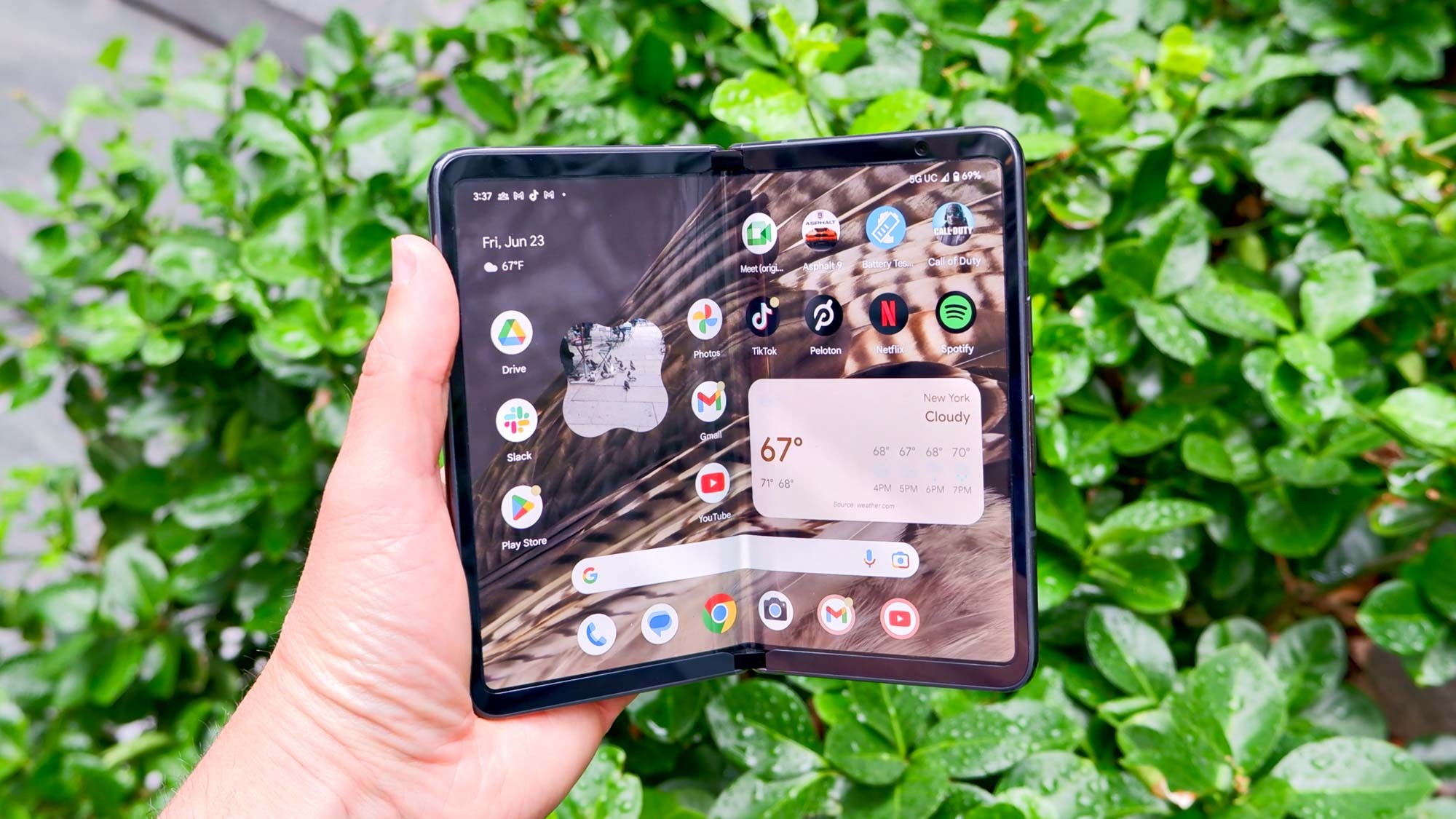
The Pixel Fold 2 retains its iconic folding design but incorporates subtle refinements like slimmer bezels and a brighter display. What’s new is how AI enhances the user experience:

  • Adaptive Display Intelligence: The screen adjusts its layout and content dynamically depending on the user’s activity, making multitasking more intuitive.
  • AI Multitasking: Users can run multiple apps simultaneously with AI automatically resizing windows for the most efficient layout.
  • Live Interpreter Mode: Real-time language translation on split-screen is faster and more accurate, making it a powerful tool for travelers and professionals alike.

This evolution signals Google’s belief that a better phone isn’t just about faster chips or flashier designs — it’s about smarter functionality.

Pixel Watch 3: Your AI Health Companion

The Pixel Watch 3 also sees a similar AI-first philosophy. While the watch sports a slightly refined design with improved battery life, the big leap comes in its software:

  • AI-Powered Wellness Insights: Beyond tracking steps or heart rate, the watch interprets data patterns to provide predictive health suggestions.
  • Smarter Notifications: Using contextual awareness, it prioritizes alerts that truly matter — learning from user behavior over time.
  • Real-Time Coaching: The AI can give live feedback during workouts, helping users improve their form and endurance.

With these features, Google positions its smartwatch not just as a fitness tracker, but as a personal wellness assistant.

Competing Through Intelligence

This strategic pivot places Google in a strong position against competitors like Apple and Samsung, which have traditionally emphasized hardware innovation. By doubling down on AI, Google is setting a new benchmark: the future of mobile technology is not in how devices look, but in how smartly they work.

The integration of Gemini across devices also means users benefit from a unified AI experience. Whether on the foldable phone or smartwatch, AI learns and adapts holistically, creating a seamless digital ecosystem.

Privacy and On-Device AI

One of the standout aspects of Google’s new strategy is the emphasis on on-device processing. Sensitive tasks like health tracking, personal reminders, and communication summarization happen locally on the device. This not only boosts speed but also strengthens privacy — a growing concern among consumers.

The Bigger Picture

Google’s latest hardware launch isn’t just about new gadgets; it’s a clear statement about where the tech industry is headed. As AI becomes more advanced, devices will increasingly fade into the background — acting as smart, personalized assistants that understand and respond intuitively.

By prioritizing intelligence over aesthetics, Google is betting that the next wave of consumer adoption will be driven by how seamlessly AI improves daily life.


google-fold

Google’s New Foldable and Smartwatch Put AI Front and Center Instead of Hardware Upgrades

In the global technology race, artificial intelligence (AI) has become the defining force shaping the next generation of devices. Gone are the days when consumers rushed to buy a new phone just because it had a slightly better camera or a sleeker screen. The real transformation is now happening inside the devices — through advanced intelligence. And no company embodies this shift more clearly right now than Google.

In its latest product launch, Google unveiled two highly anticipated devices: the Pixel Fold 2 and the Pixel Watch 3. While both products offer subtle hardware refinements, the biggest story isn’t the design. It’s the deep AI integration that transforms how users interact with technology.


A Strategic Shift Toward AI Innovation Over Hardware Design

Every major smartphone launch for the past decade has focused on physical features: brighter screens, more powerful processors, improved battery life, or enhanced camera lenses. Google’s 2025 lineup breaks from that tradition. Instead of promoting hardware as the star of the show, the company is positioning AI as the real differentiator.

This shift is not accidental. With AI models like Google Gemini becoming more capable, Google sees an opportunity to build devices that are not just faster or thinner — but smarter and more personal. In other words, the device becomes less of a tool you command and more of an assistant that understands and anticipates your needs.


Gemini AI at the Core of the Experience

The new devices are powered by Gemini, Google’s most advanced AI model to date. Instead of relying on cloud processing alone, Gemini now works natively on-device, enabling faster, more private, and more responsive experiences.

Key AI Advancements Include:

  • On-Device Generative AI: Summarizing long articles, drafting emails, or translating complex documents now happens locally, without needing an internet connection.
  • Contextual Intelligence: The device learns user behavior over time — offering suggestions before the user even asks. For example, suggesting a call before a scheduled meeting or pulling up relevant documents automatically.
  • Multimodal Understanding: Gemini processes text, voice, images, and gestures in real time, allowing for natural, fluid interactions.
  • Real-Time Language Translation: The new foldable turns into a live interpreter with split-screen translation that’s faster and more accurate than ever.

These features don’t just add convenience; they transform how users experience technology.


Pixel Fold 2: A Foldable Designed Around AI

When the first Pixel Fold launched, it was praised for its design and multitasking capabilities. The second generation builds on that foundation but focuses more on intelligence than aesthetics.

1. Refined Hardware, Subtle Design Upgrades

The Pixel Fold 2 features slimmer bezels, a brighter and more power-efficient display, and improved durability at the hinge. But these are incremental changes. The real excitement comes from the adaptive software layer that uses AI to optimize how the device functions.

2. Adaptive Display Intelligence

The display dynamically adjusts layout based on user activity. If you’re reading, the AI will declutter the interface and highlight key text. If you’re multitasking, it will resize and rearrange windows intelligently.

3. AI Multitasking Engine

Forget dragging and resizing apps manually. With AI assistance, the Fold 2 automatically opens complementary apps side by side — like your calendar with your email or maps with your travel itinerary.

4. Smarter Camera Capabilities

The camera system gets a powerful AI boost. Real-time scene detection can identify landmarks, suggest photo enhancements, and even provide instant visual translations. For content creators, AI-powered framing ensures the perfect shot, even when shooting solo.

5. Travel and Work Companion

The Live Interpreter Mode turns the foldable into a portable translator. Whether at a business meeting abroad or exploring a new country, users can communicate effortlessly across languages.


Pixel Watch 3: The AI Health and Lifestyle Assistant

The wearable market has long focused on fitness tracking, but the Pixel Watch 3 takes a more holistic AI-driven approach.

1. Smarter Health Insights

Instead of just counting steps or heart rate, the AI interprets your data in context. It can spot early patterns of stress, fatigue, or irregular sleep, then provide personalized recommendations to improve well-being.

2. Real-Time AI Coaching

The watch delivers live coaching during workouts. For example, if you’re running, the AI can analyze your stride and breathing patterns to help optimize performance. It’s like having a personal trainer on your wrist.

3. Predictive Wellness

If the system detects unusual health trends — such as declining sleep quality or increased stress levels — it proactively notifies the user and suggests recovery plans like hydration, breathing exercises, or schedule adjustments.

4. Smarter Notifications

Using contextual AI, the watch filters and prioritizes alerts. If you’re in a meeting, it may mute social updates but ensure critical work notifications still come through.


Competing Through Intelligence: A New Battlefield

For years, smartphone and wearable competition was defined by who had the better screen, camera, or battery. With the rise of AI, the battleground is shifting to intelligence. Google is now competing with companies like Apple and Samsung not just on design but on how well devices understand and assist users.

While Apple has made progress integrating intelligence into its ecosystem, Google’s advantage lies in deep AI-native integration. Gemini is built directly into Android, enabling a level of speed and personalization that cloud-based assistants can’t match.

This gives Google a strategic edge in defining what the “smart” in smartphones and smartwatches really means.


AI Integration Across the Ecosystem

One of Google’s strongest moves is how seamlessly its AI features work across devices. The Pixel Fold 2 and Pixel Watch 3 share data intelligently (with privacy protections in place), ensuring a unified user experience.

  • Example: If your watch detects elevated stress levels, it might automatically suggest calming music on your foldable phone.
  • Example: If you start reading an article on your foldable, your watch can summarize it aloud while you’re on the go.
  • Example: Calendar events, health reminders, and travel updates sync intelligently without the need for user input.

This level of integration reflects Google’s long-term strategy: AI as the glue that binds the ecosystem together.


Privacy and On-Device Processing: A Key Differentiator

A major consumer concern with AI-powered devices is privacy. Google is addressing this head-on by making Gemini work primarily on-device.

This means:

  • Sensitive information like health data, personal messages, and reminders is processed locally.
  • Fewer data points need to be sent to the cloud, reducing exposure risk.
  • Faster processing with minimal latency improves user experience.

Google also provides transparent privacy dashboards, allowing users to control what data is collected and how it’s used.


A Broader Industry Trend

Google’s AI-first strategy is part of a larger industry trend. Instead of massive leaps in physical design, we’re seeing companies invest heavily in AI to make devices smarter, more personalized, and more context-aware.

  • AI assistants are evolving from reactive tools to proactive partners.
  • Health and wellness are becoming more predictive rather than merely diagnostic.
  • Productivity features are becoming more automated and anticipatory, reducing user effort.

This reflects a fundamental shift in how we define innovation. It’s not about what a device looks like anymore, but how intelligently it works for you.


Consumer Reactions and Market Impact

Early reviews and tech analyst predictions suggest that this launch could significantly strengthen Google’s position in the premium smartphone and wearable market.

  • Early adopters are praising the AI responsiveness and contextual understanding of the devices.
  • Tech reviewers note that while the design changes are modest, the user experience feels transformational.
  • Market analysts predict increased adoption rates, particularly among professionals and frequent travelers who value smart features over aesthetics.

Google’s decision to focus on AI may also push competitors to accelerate their own AI integration, creating a new wave of intelligent devices across the industry.


The Future: Devices That Understand You

Imagine a world where your phone knows when you’re running late and sends updates automatically. Or your watch detects early signs of stress and adjusts your daily plan accordingly. This isn’t science fiction anymore — it’s the direction Google is heading with Gemini-powered devices.

As AI models continue to evolve, we can expect:

  • More natural interaction between users and devices (voice, gesture, context).
  • Greater personalization based on individual habits and preferences.
  • Stronger privacy frameworks to protect sensitive information.
  • Seamless multi-device collaboration powered by a shared AI core.

Final Thoughts: AI Over Aesthetics Is the New Normal

The launch of the Pixel Fold 2 and Pixel Watch 3 marks a pivotal moment not just for Google, but for the entire tech industry. It signals a future where intelligence takes precedence over appearance, and where innovation is measured not in megapixels or millimeters but in meaningful, predictive experiences.

By putting AI at the center of its hardware strategy, Google isn’t just selling devices — it’s building an intelligent ecosystem designed to understand, assist, and adapt to its users.

This AI-first approach could redefine what it means to own a “smart” device. And as other tech giants follow suit, one thing is clear: the future of technology won’t be shaped by how devices look… but by how well they think.

The Pixel Fold 2 and Pixel Watch 3 may not revolutionize hardware design, but they represent something more significant: a paradigm shift in how technology companies think about innovation. Google’s focus on integrating Gemini AI across devices transforms the user experience into something more fluid, personal, and anticipatory.

As the line between hardware and software blurs, one thing becomes clear — the smartest device is the one that knows you best.