Category: Youtube

  • Home
  • Category: Youtube

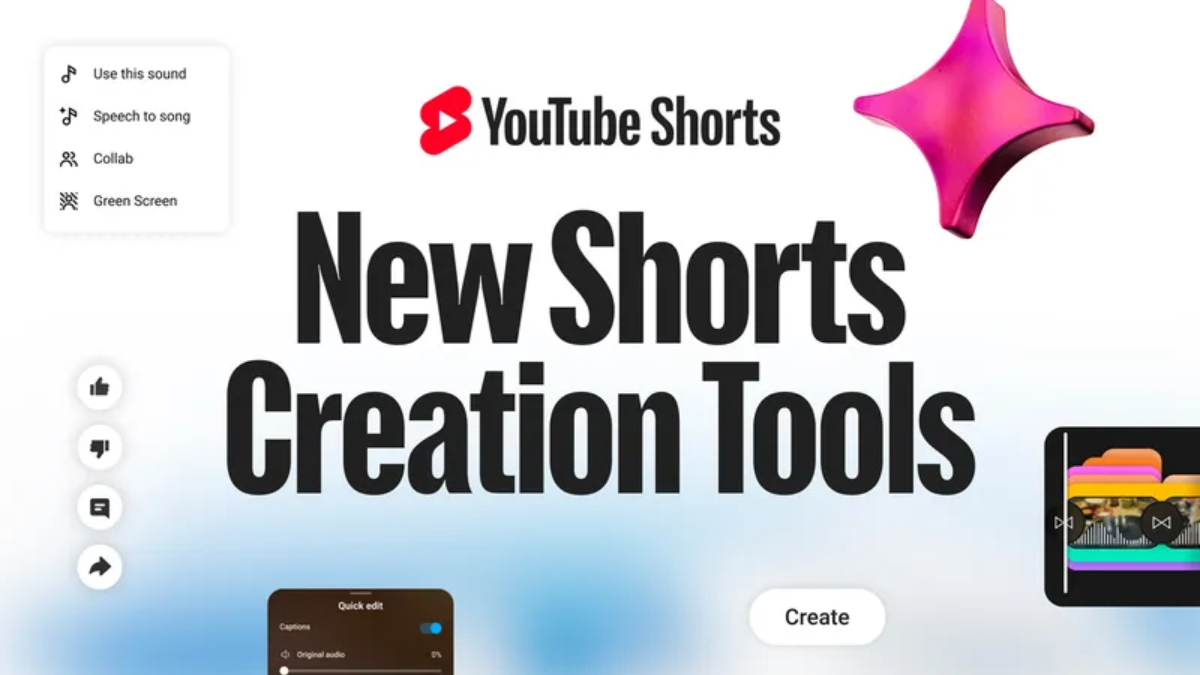
YouTube’s new AI tools for Shorts creators


The Generative Leap: How YouTube’s New AI Tools Are Revolutionizing Shorts and the Creator Economy

Introduction: A New Frontier for Creativity

The digital content landscape is in a state of perpetual, high-speed evolution. At the heart of this whirlwind lies the short-form video, a format that has captured the world’s attention and redefined how we consume information and entertainment. In this arena, YouTube Shorts has emerged as a titan, vying for dominance against formidable rivals. To maintain its edge and empower its massive community, YouTube has just unveiled its most ambitious initiative yet: a suite of powerful, integrated Artificial Intelligence tools designed specifically for Shorts creators.

This announcement is more than just a feature update; it’s a paradigm shift. By embedding generative AI directly into the creation workflow, YouTube is not only lowering the technical barrier to entry but also fundamentally changing the definition of a “creator.” These tools promise to automate the tedious, amplify the creative, and unlock possibilities previously confined to professional studios.

This article will provide a comprehensive analysis of YouTube’s new AI toolkit. We will explore the specific features announced, dissect the strategic motivations behind this move, examine the underlying technology, and evaluate the profound impact these tools will have on creators, audiences, and the future of the digital content ecosystem.


I. The Announcement: Unpacking the AI Toolkit

YouTube’s new suite of AI tools is designed to assist creators at every stage of the video production pipeline, from initial concept to final polish and publication. Let’s break down the flagship features.

1. Dream Screen: Generative Video Backgrounds

The most visually stunning tool is “Dream Screen.” This feature functions like an AI-powered green screen on an epic scale. Instead of needing a physical green screen and pre-existing footage, creators can now simply type a prompt to generate a high-quality, animated video or static image background.

  • Functionality: A creator filming a video in their bedroom can type “An enchanted, glowing forest at twilight” or “A futuristic cyberpunk cityscape with flying cars,” and the AI will generate a dynamic background that instantly replaces their real-world environment.
  • Impact: This democratizes high-production-value effects, eliminating the need for expensive equipment, location scouting, or complex VFX software.

2. AI Idea Generation & Scripting Assistant

For many, the hardest part of creation is starting. YouTube’s AI assistant aims to solve the “blank page” problem. Integrated into the YouTube Studio, this tool acts as a creative partner.

  • Functionality: Creators can input a general topic (e.g., “healthy breakfast ideas”) or a trending sound. The AI will then generate a list of potential video ideas, catchy hooks, video outlines, and even draft scripts.
  • Example Pseudo-Code:// AI Scripting Assistant Prompt { "topic": "Surprising facts about ancient Rome", "video_length": "60s", "tone": "comedic, fast-paced", "target_audience": "history buffs", "requested_output": ["video_ideas", "script_outline"] }
  • Impact: This dramatically speeds up the pre-production process and helps creators tap into trending topics more effectively.

3. Automated Editing & Smart Cuts

Editing is often the most time-consuming part of making a video. The new AI editor automates much of this process.

  • Functionality: After a creator uploads their raw footage, the AI can analyze it to identify the best takes, remove awkward pauses or mistakes, and automatically sequence the clips into a coherent narrative. It can also suggest transitions and effects that match the video’s pacing and style.
  • Impact: This makes editing accessible to complete beginners and saves hours of work for experienced creators, allowing them to focus more on filming and ideation.

4. AI Music & Soundtrack Generation

Finding the right music is a constant struggle involving copyright, licensing fees, and endless searching. YouTube is addressing this with an AI-powered music generator.

  • Functionality: Creators can describe the mood, genre, and tempo they want (e.g., “upbeat, funky synth-pop for a workout video”). The AI then generates a unique, royalty-free instrumental track that perfectly fits the length and emotional arc of their Short.
  • Impact: This solves a massive legal and logistical headache for creators and provides infinite musical possibilities without fear of copyright strikes.

5. Thumbnail & Title Optimization

A video’s success often hinges on its title and thumbnail. This AI tool uses predictive analytics to maximize click-through rates.

  • Functionality: The tool analyzes a finished video and generates several title and thumbnail options. It leverages YouTube’s vast dataset to predict which combination will perform best with the creator’s target audience. It can even run micro A/B tests upon publishing to dynamically select the winner.
  • Impact: This takes the guesswork out of marketing a video, giving creators a data-driven edge in the crowded content landscape.

II. The Strategic Imperative: Why YouTube is Going All-In on AI

This significant investment in AI is not happening in a vacuum. It is a calculated strategic move driven by several key factors.

The Battle for Short-Form Dominance

The primary driver is the intense competition with TikTok and Instagram Reels. TikTok’s algorithm and user-friendly creation tools created a low barrier to entry that fueled its explosive growth. YouTube is using AI to leapfrog the competition by making the creation process not just easy, but intelligent. By providing tools that TikTok and Reels don’t have, YouTube aims to become the most attractive platform for aspiring and established creators alike.

Democratizing Creativity to Expand the Creator Pool

The more people who can create high-quality content, the more content is uploaded to the platform. This creates a virtuous cycle. The relationship can be loosely modeled as:

$$ \text{Platform Growth} \propto (\text{Number of Creators} \times \text{Content Quality}) $$

By lowering technical and financial barriers with AI, YouTube dramatically expands its potential creator base. A teenager with just a smartphone can now produce a Short with production values that once required a small studio.

Increasing Engagement and Monetization

Higher quality, more engaging content keeps users on the platform longer. This increased watch time translates directly into more ad revenue for YouTube and, through the YouTube Partner Program, for the creators themselves. AI tools that help creators optimize their content for engagement are a direct investment in the platform’s bottom line.


III. A Deeper Dive: How Do These Tools Work?

While the exact inner workings of YouTube’s models are proprietary, they are built upon established principles of modern artificial intelligence.

AI ToolPrimary FunctionUnderlying AI Concepts
Dream ScreenText-to-Video GenerationDiffusion Models and Generative Adversarial Networks (GANs). These models are trained on vast datasets of images and videos to learn how to generate new visual content from text descriptions.
Idea & Script AssistantNatural Language GenerationLarge Language Models (LLMs), similar to GPT or Gemini. These models are trained on text from across the internet to understand context, tone, and structure, allowing them to write human-like text.
Automated EditingVideo Content AnalysisComputer Vision and Pattern Recognition. The AI “watches” the footage to identify faces, speech patterns, and action. It uses this data to make decisions about which clips are most engaging.
AI Music GenerationAlgorithmic CompositionRecurrent Neural Networks (RNNs) and Transformers. These models are trained on thousands of hours of music to learn the principles of melody, harmony, and rhythm, enabling them to compose original pieces.
Thumbnail & Title AIPredictive AnalyticsMachine Learning (ML) Classification & Regression Models. The AI is trained on historical data from billions of videos to find correlations between thumbnails/titles and user behavior (clicks, watch time).

IV. The Impact on the Creator Economy

The introduction of these tools will send ripples throughout the creator ecosystem, affecting everyone from beginners to seasoned professionals.

For Aspiring Creators: The Barriers Crumble

This is an unequivocal win. The financial barrier of expensive software and equipment is minimized. The skills barrier of learning complex editing, animation, and graphic design is significantly lowered. The “creator’s block” barrier is addressed by the AI assistant. This will likely trigger a new wave of content creators who were previously intimidated by the technical demands of video production.

For Established Creators: A Double-Edged Sword

Professional creators gain a powerful efficiency tool. Tasks that took hours can now take minutes, freeing them up to focus on higher-level strategy, community engagement, and more ambitious creative concepts.

However, it also intensifies competition. When anyone can create a visually polished video, the value proposition shifts. Technical skill becomes less of a differentiator. The new premium will be placed on:

  • Authenticity and Personality: An AI can’t replicate a creator’s unique charisma and connection with their audience.
  • Originality of Ideas: The core concept of a video becomes paramount when the execution is semi-automated.
  • Community Building: Fostering a loyal community becomes even more critical for long-term success.

For the Audience: A Deluge of Content

Viewers will be met with a tsunami of content, much of it looking more polished than ever before. This could lead to an increase in overall quality, but also a risk of aesthetic homogenization, where many videos start to share a similar “AI-generated” look and feel. The algorithms that recommend content will become even more important in helping users sift through the noise to find authentic and valuable videos.


V. Challenges and Ethical Considerations

With great power comes great responsibility. The rollout of these tools is not without its challenges and ethical gray areas.

  1. Authenticity and the “Soul” of Content: A key concern is that over-reliance on AI could lead to a wave of generic, soulless content. While AI can generate a script, it can’t replicate genuine human emotion or lived experience. The line between AI-assisted and AI-generated content will become increasingly blurry.
  2. Misinformation and Deepfakes: The same technology that can create a beautiful fantasy background for a Short could also be used to create convincing deepfakes or generate misleading content. YouTube will need robust detection mechanisms and strict content policies to combat misuse. Features like AI-content watermarks and disclosure requirements will be essential.
  3. Copyright and Data Provenance: Who owns the copyright to a piece of music or a background image created by an AI? YouTube is preemptively tackling this by making AI-generated music royalty-free for use on the platform. However, the models themselves are trained on vast datasets of existing human-created art, raising complex questions about data provenance and fair use that the industry is still grappling with.
  4. Devaluation of Traditional Skills: Creative professionals specializing in video editing, graphic design, and motion graphics may see their skills devalued. The nature of their work may shift from hands-on creation to “AI prompting” and curation, a significant change that will require adaptation.

VI. The Future is Generative

YouTube’s announcement is a landmark moment. It signals the official entry of generative AI into mainstream content creation. This is just the beginning. We can anticipate a future where:

  • Fully AI-Generated Creators: Virtual influencers with AI-generated personalities and content could become commonplace.
  • Personalized, Interactive Content: Videos could adapt in real-time to a viewer’s preferences or comments.
  • AI-Driven Storytelling: AI may one day be capable of conceiving, scripting, “filming,” and editing entire narrative videos based on a simple prompt.

Conclusion: A New Partnership in Creativity

YouTube’s AI tools for Shorts are not here to replace human creators; they are here to augment them. They automate the technical to liberate the creative. This initiative redefines the modern content creator as a visionary, a storyteller, and a curator of ideas, with AI acting as a powerful and versatile co-pilot.

The path forward will be filled with challenges, from navigating ethical dilemmas to avoiding creative stagnation. But the potential is undeniable. By placing the power of generative AI into the hands of millions, YouTube has fired the starting gun on the next great race in digital content—a race where the ultimate winners will be those who can most effectively merge the spark of human ingenuity with the limitless power of the machine. The age of the AI-empowered creator has arrived.

Google Discover Now Shows Instagram Posts and YouTube Shorts in Feed


Social Scroll: Google Discover Now Shows Instagram, YouTube Shorts, and More in Your Feed

Your daily scroll just got a significant shake-up. Google Discover, the personalized content feed on the home screen of millions of Android phones and the Google app, is undergoing one of its most dramatic transformations yet. Traditionally a hub for news articles and blog posts, Discover is now blurring the lines between search, discovery, and social media by directly integrating content from platforms like Instagram and YouTube Shorts.

This strategic pivot signals a major shift in how Google views content and user engagement, turning your Discover feed into a far more dynamic, visual, and socially-driven experience. Here’s everything you need to know about this change.

What’s New on the Feed?

Users have begun noticing new carousels and cards appearing in their Discover feeds that look distinctly different from the usual news links. Instead of a headline and a static image from a website, these new additions are pulled directly from social platforms.

The new content types reportedly include:

  • YouTube Shorts: Google is heavily promoting its TikTok competitor by embedding vertical, short-form videos directly into the feed. This allows users to watch Shorts without necessarily opening the YouTube app first.
  • Instagram Posts: Perhaps the most surprising addition, both Instagram Reels and traditional photo carousel posts are being surfaced. This marks a rare and significant integration between Google and a key Meta property.
  • Other Social Content: While Instagram and YouTube are the most prominent, there are indications that content from other platforms could also be part of this initiative, creating a centralized hub for trending social media content.

These posts often appear in dedicated “In the spotlight” or “Short videos” carousels, sitting alongside the familiar “Stories and short articles” you’re used to seeing.

Google Discover

Why Is Google Making This Change?

This move is not arbitrary; it’s a calculated response to fundamental shifts in user behavior and the competitive digital landscape. There are several key drivers behind this integration.

1. The Battle for Attention

For years, the primary battle for “screen time” has been between Google’s search-and-browse model and the endless scroll of social media feeds like TikTok, Instagram, and Facebook. By incorporating the very content that keeps users glued to those apps, Google aims to keep users within its own ecosystem. If you can get your fix of trending Reels and Shorts directly from the Google app, your incentive to switch to another app diminishes.

2. The Dominance of Visual, Short-Form Content

The way people consume information has evolved. Short-form video has become the dominant medium for entertainment, news, and discovery, especially among younger demographics. Text-based articles are no longer the only, or even the primary, way users want to learn about their interests. To remain relevant as a “discovery engine,” Google must embrace and integrate this format.

3. A More Personalized and “Human” Feed

While Google’s algorithm is excellent at surfacing content based on your search history and interests, news articles can sometimes feel impersonal. Social media content, driven by individual creators, adds a layer of personality and authenticity to the feed. Surfacing a creator’s travel reel or a chef’s recipe Short can feel more engaging and direct than an article from a large publication.

4. The Future of Search is Visual

This change aligns with Google’s broader vision for the future of search, which is becoming increasingly visual and multimodal. From Google Lens to the AI-powered Search Generative Experience (SGE), the company is moving away from a simple list of blue links. Integrating social posts into Discover is a natural extension of this strategy, treating a viral video or an influential Instagram post as a valid and valuable piece of information worthy of being “discovered.”

Implications for Users, Creators, and Google

This integration has far-reaching consequences for everyone involved in the digital content ecosystem.

StakeholderProsCons
UsersUnified Experience: Access news and social content in one place without app-switching.

New Discoveries: Exposure to new creators and content formats you might not have found otherwise.
Content Overload: The feed could become more cluttered with entertainment-focused “junk food” content.

Algorithmic Bubbles: Potentially reinforces filter bubbles by blending social trends with informational content.
CreatorsMassive Organic Reach: A huge new distribution channel to get content in front of a massive audience beyond their existing followers.

SEO for Socials: The line between social media strategy and SEO blurs. A well-optimized post could now go viral on Google itself.
Lack of Control: Content is surfaced algorithmically, meaning creators can’t directly submit or control what Google picks.

Another Algorithm to Master: Creators may need to adapt their content to appeal to Google’s Discover algorithm in addition to their native platform’s.
GoogleIncreased Engagement: Keeps users inside the Google app for longer, increasing ad exposure and data collection opportunities.

Maintains Relevance: Stays competitive against social media giants like TikTok and Meta.
Quality Control: Risks surfacing low-quality, misleading, or spammy social content.

Publisher Backlash: Traditional news publishers may feel their content is being de-prioritized in favor of short-form video, impacting their traffic.

The Future: A Single, Unified Feed?

This is likely just the beginning. As Google continues to refine its AI and content understanding capabilities, the distinction between a web page, a YouTube video, an Instagram post, and a product listing will become increasingly irrelevant to the algorithm. For Google, it’s all just “content” that can be used to answer a query or satisfy a user’s interest.

We are witnessing the evolution of the Google feed from a “what to read” list into a “what to know and watch” stream. It’s a bold and necessary move to adapt to the modern internet, but it also fundamentally changes our relationship with the information we consume.

The message from Mountain View is clear: the future of discovery isn’t just on the web; it’s everywhere. And Google wants to be the one to show it to you, no matter where it comes from.

10 Ways to Get More YouTube Subscribers: A Comprehensive


Introduction

YouTube is the world’s second-largest search engine and a powerful platform for content creators, educators, marketers, and businesses. But in such a saturated ecosystem with over 50 million creators and billions of videos, gaining subscribers is not just about uploading content—it’s about smart strategy, consistent value, and audience engagement.

If you’re struggling to grow your subscriber base, this comprehensive guide will walk you through 10 highly effective ways to get more YouTube subscribers—not just clicks, but loyal, engaged viewers who keep coming back for more.


1. Create High-Quality, Valuable Content Consistently

Why It Matters:

YouTube success starts with content quality. People subscribe to channels that consistently deliver value, whether it’s in the form of entertainment, education, tutorials, or reviews.

How to Implement:

  • Define your niche: Focus your channel on a specific topic or audience.
  • Invest in good equipment: Clear audio and HD video can significantly improve perceived quality.
  • Plan your content: Script or outline your videos to stay concise and structured.
  • Deliver value fast: Hook viewers within the first 10–15 seconds.
  • Post consistently: Develop a regular posting schedule (e.g., 1-2 times/week).

Tip:

Use analytics to track which content performs best, then make more of what works.


2. Optimize Your YouTube Channel Layout and Branding

Why It Matters:

First impressions count. A professional-looking channel encourages trust and convinces new visitors to subscribe.

How to Implement:

  • Channel Art: Use eye-catching banner graphics that reflect your niche.
  • Profile Picture: Use a clean logo or a high-quality headshot.
  • About Section: Write a compelling description with keywords.
  • Channel Trailer: Create a short, engaging video that introduces new visitors to your content and encourages them to subscribe.
  • Playlists: Organize your videos into categorized playlists to improve watch time and user experience.

Tip:

Add channel keywords in the YouTube Studio settings to help the algorithm categorize your content.


3. Use Engaging Video Thumbnails and Titles

Why It Matters:

Your thumbnail and title are the first things viewers see in search results or suggested videos. A compelling thumbnail/title combo improves your click-through rate (CTR)—which indirectly boosts your subscriber count.

How to Implement:

  • Use bold text and emotional triggers on thumbnails.
  • Avoid clickbait: Be intriguing but honest.
  • Include your face: People connect more with human expressions.
  • Use colors that pop: Red, yellow, and green perform well.
  • Title formula: Combine SEO keywords + emotional appeal (e.g., “How to Lose Weight Fast – No Diet Needed”).

Tip:

Test different thumbnails using A/B testing tools like TubeBuddy’s Thumbnail Split Test feature.


4. Ask Viewers to Subscribe – But Do It Right

Why It Matters:

Sometimes people need a simple reminder to subscribe, especially if they’re enjoying your content.

How to Implement:

  • Ask in the video: Mention it naturally (e.g., “If you’re finding this helpful, consider subscribing for more.”)
  • Add a CTA (call-to-action) in the outro.
  • Use visual cues: Include an animated “Subscribe” button pop-up.
  • Use pinned comments or video descriptions to remind viewers to subscribe.

Tip:

Explain the value of subscribing: “Subscribe and turn on notifications to stay updated with the latest productivity hacks every week.”


5. Engage With Your Audience

Why It Matters:

The more you build community and conversation, the more likely viewers are to feel connected and subscribe.

How to Implement:

  • Reply to comments regularly to show appreciation.
  • Use polls and community posts to interact with your audience.
  • Encourage feedback and questions in videos.
  • Shout-out viewers or highlight comments in future videos to build loyalty.

Tip:

Use the YouTube Community Tab (available after 500 subscribers) to engage your audience outside of videos.


6. Use End Screens and Cards Strategically

Why It Matters:

End screens and cards keep people watching your content, which boosts your channel’s watch time and increases the chances of them subscribing.

How to Implement:

  • End Screens: Add a “Subscribe” button and links to your best videos at the end.
  • Cards: Link to related videos within your current video to guide viewers deeper into your content.
  • CTA Example: “Before you go, check out this video on time management—it’s perfect if you’re looking to be more productive.”

Tip:

Always direct viewers to another video or playlist to keep them on your channel longer.


7. Promote Your Channel Across Platforms

Why It Matters:

YouTube isn’t an isolated platform. Bringing in viewers from other channels helps you grow faster.

How to Implement:

  • Embed videos in your blog posts or website.
  • Share on social media: Facebook, Twitter, LinkedIn, Instagram, etc.
  • Use email marketing: Send updates to your subscriber list.
  • Join relevant forums or groups: Contribute value and drop your video links when appropriate (avoid spamming).

Tip:

Create YouTube Shorts or teaser clips for Instagram Reels, TikTok, and Facebook to funnel viewers to your main channel.


8. Collaborate With Other YouTubers

Why It Matters:

Collaborations tap into another creator’s audience and bring exposure to your content.

How to Implement:

  • Find creators in your niche or complementary niches.
  • Propose win-win collaborations: Interview, Q&A, co-hosted tutorials, etc.
  • Cross-promote each other’s videos or playlists.
  • Join live streams or podcasts as a guest.

Tip:

Smaller channels often ignore this strategy—collabs don’t need to be with huge influencers. Even creators with similar-sized audiences can yield great results.


9. Leverage YouTube Shorts and Trends

Why It Matters:

YouTube Shorts are getting millions of views and can dramatically increase your channel visibility. Trending topics can also bring massive short-term spikes in subscribers.

How to Implement:

  • Create 15-60 second Shorts from longer content or new ideas.
  • Jump on trends or challenges within your niche.
  • Use relevant hashtags (e.g., #shorts #productivitytips).
  • Link back to full-length videos in the description.

Tip:

Shorts often have viral potential. Use them to introduce viewers to your style and convert them into subscribers through your main content.


10. Track Analytics and Adjust Your Strategy

Why It Matters:

Understanding what’s working (and what isn’t) is critical to growth. Data helps you make informed decisions.

How to Implement:

Use YouTube Studio to monitor:

  • Subscriber growth per video
  • Audience retention
  • Click-through rate (CTR)
  • Traffic sources
  • Top-performing content

Refine your content based on:

  • What videos gained the most subscribers?
  • Where did most of your traffic come from?
  • What titles and thumbnails had the highest CTR?

Tip:

Use the “Compare Metrics” feature in YouTube Studio to analyze performance trends over time.


Bonus Tips for Fast Subscriber Growth

  • Run contests or giveaways: Offer an incentive for subscribing (make sure to follow YouTube’s contest guidelines).
  • Use a branded URL: Customize your channel link with a “?sub_confirmation=1” tag to auto-prompt a subscribe pop-up (e.g., https://www.youtube.com/c/YourChannelName?sub_confirmation=1).
  • Create a content series: Episodic content keeps viewers coming back for more.
  • Focus on storytelling: Emotionally compelling content leads to more shares and subscribes.

Conclusion

Getting more YouTube subscribers isn’t just about going viral—it’s about building a loyal audience that resonates with your message, values your content, and trusts your expertise.

By following these 10 proven strategies, you’ll not only attract more subscribers but also create a strong foundation for long-term growth on YouTube:

  1. Create high-quality content
  2. Optimize your channel layout
  3. Use compelling thumbnails and titles
  4. Ask viewers to subscribe
  5. Engage with your audience
  6. Use end screens and cards
  7. Promote on other platforms
  8. Collaborate with other creators
  9. Leverage Shorts and trends
  10. Track analytics and refine strategy

Focus on adding value, staying consistent, and connecting with your audience—subscribers will follow naturally.